Why Writers Need to Play
(and how AI helped me remember that)

Since a steady part of my job these days includes staying up-to-date with AI tools, I decided to engage in some “AI play time” recently—testing out different tools, pushing their limits, and seeing what unexpected ideas they might generate.
I’ve been thinking a lot about the idea of “play.” Playing is something we did every day as children, but now in adulthood, it can feel uncomfortable. When is the last time you truly played, anyway? Why would we “play” when we have jobs and responsibilities? Is playing just wasting time, when time is money? Do we look juvenile and unserious if we spend too much time playing instead of innovating and doing?
It turns out I’m not alone. Many students resist play, too.
I’m working with a group of entrepreneurship faculty this semester on redesigning one of their core courses on creativity, and they keep talking about the importance of play. For them, students enter the class afraid of playing and wanting to know exactly what to do to get an A, but the entire point of the course is playing around and exploring possibilities, which is a key tenet of being innovative in business and developing an entrepreneurial mindset.
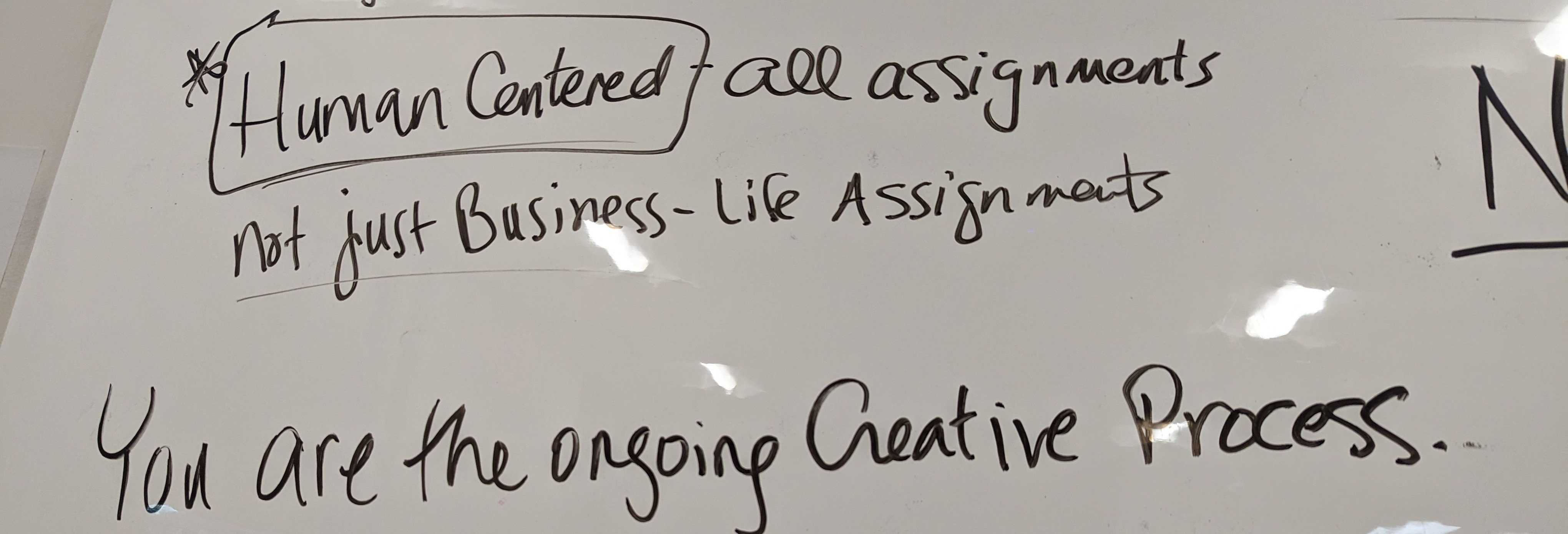
The entrepreneurs point out how vulnerable play can feel, and how we’re conditioned in society to seek clear answers and tangible results.
And yet, when I think about my own experience learning AI tools, so much of what I’ve discovered came not from structured lessons or tutorials, but from simply playing with them—testing, tweaking, and seeing what happens.
Isn’t that a good thing, actually, to arrive organically at ideas and solutions after spending time with them?
In this post, I’m going to talk about why writers—academic, fiction, nonfiction, and everywhere in-between—need to embrace the idea of play more in their writing habits and routines. For writers, play isn’t just useful.
Play is essential to the creative process.
Playing is A Means of Learning
In the faculty development workshops I lead, I often talk about the idea of “writing to learn,” which feels relevant here.
Writing doesn’t just mean communicating with others—it also helps us make sense of our own experiences (WAC Clearinghouse). In other words, when we write things down, we’re also thinking of new connections and ideas along the way.
For example, when I started this post, I planned to write about ChatGPT helping me schedule my day. Instead, I began exploring “play,” which led me to realize that what I really wanted to say was something about play’s vital role in the writing process
I wouldn’t have reached this point if I hadn’t given myself time to play with the words I put on the page. Sometimes, you just need to write and see what happens, and be okay with it deviating from where you thought you were headed.
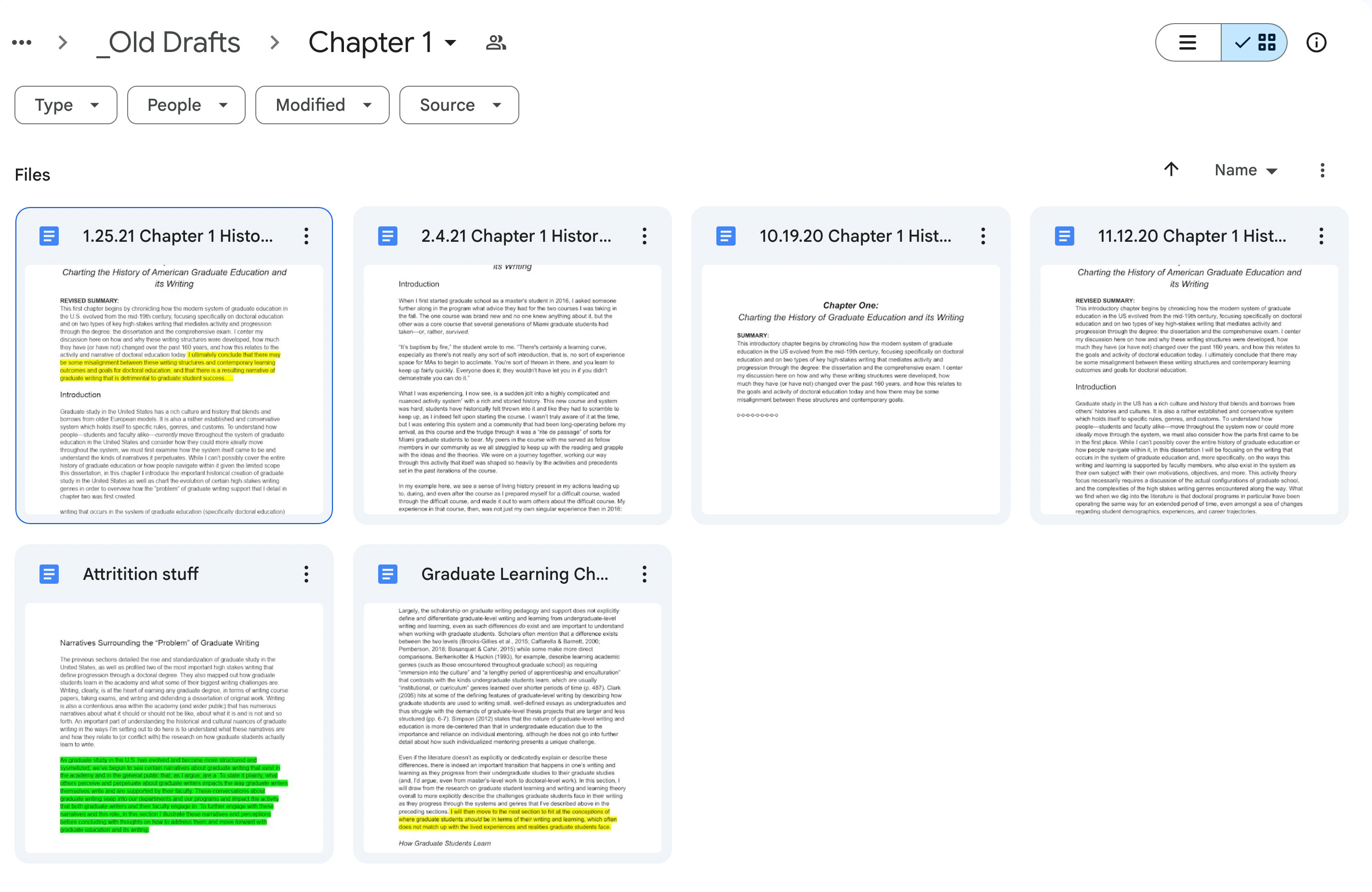
Do you ever have a moment like that, where you start to write something and in the process something suddenly “clicks” for you?
I’d argue that the same can be said for playing around, like fiddling with a piece of equipment to figure out what’s wrong with it (story of my life as a new homeowner!) or messing around with new AI tools and seeing what it can do.
Playing, then, might also be viewed as learning, and as creative problem-solving and as building critical thinking.
Playing as Low-Stakes
Another thing about writing (especially in school) is that so much of it is high-stakes where we’re being graded or evaluated or judged (even here on Substack, where we’re attempting to reel readers in and not scare them away!).
The thing about play, though, is that it truly is low-stakes. You are responsible to no one but yourself as you do what feels right and simply do something else after that. Sure, you might be playing as part of a group, but even then, it’s okay if things go off track or you suddenly have to stop because something important came up. It’s not a life-or-death moment.
Think back to when you were a kid, playing without concern for outcomes.
I’d often make my stuffed animals talk to each other, engaging in some kind of dramatic, complicated story where the giraffe was rescuing the zebra from an evil sorceress trying to steal all his stripes. The details of the story kept flowing one after the other, and if I got bored after about 10 minutes or so, I’d move on and it’d be absolutely fine.
I bet some of those stories were hella creative and unique, and I wish so much that I could go back and tap some of those ideas and some of that energy.
And they didn’t have a grade or other high-stakes moment attached.
That’s the beauty of playing, I think, and I’d love to re-frame writing tasks in my brain to feel more like playing so I can just focus on producing what sounds good to me.
As a relatively low-stakes activity, playing can open up a world of possibility for us…if we can only let ourselves have it.
My Challenge: Go Play
I’ll leave you with this: go play!
Fire up an AI program and just mess around with it to learn more about what it can do, maybe asking it some questions about a project you’re working on.
Rip off a piece of notebook paper and start jotting down whatever thoughts come to your head, and then rinse and repeat after a quick 5-minute break.
Take your dog outside for a walk and run around with her, enjoying the sunshine and the companionship of your pup.
I challenge you to embrace and reclaim the idea of play as being something generative to your writing and to your work.
We can’t work nonstop all the time, and we also shouldn’t play in the hopes of it helping our work. But you never know. You might be able to have some fun and get a generative idea…that you can take up tomorrow after you’ve had some rest
Now, go on and play! ✏️